Item Description
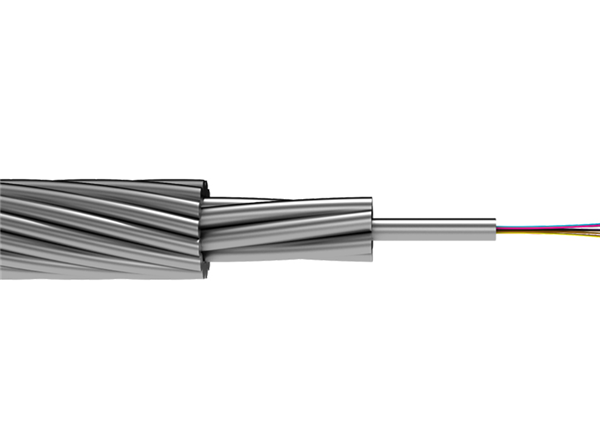
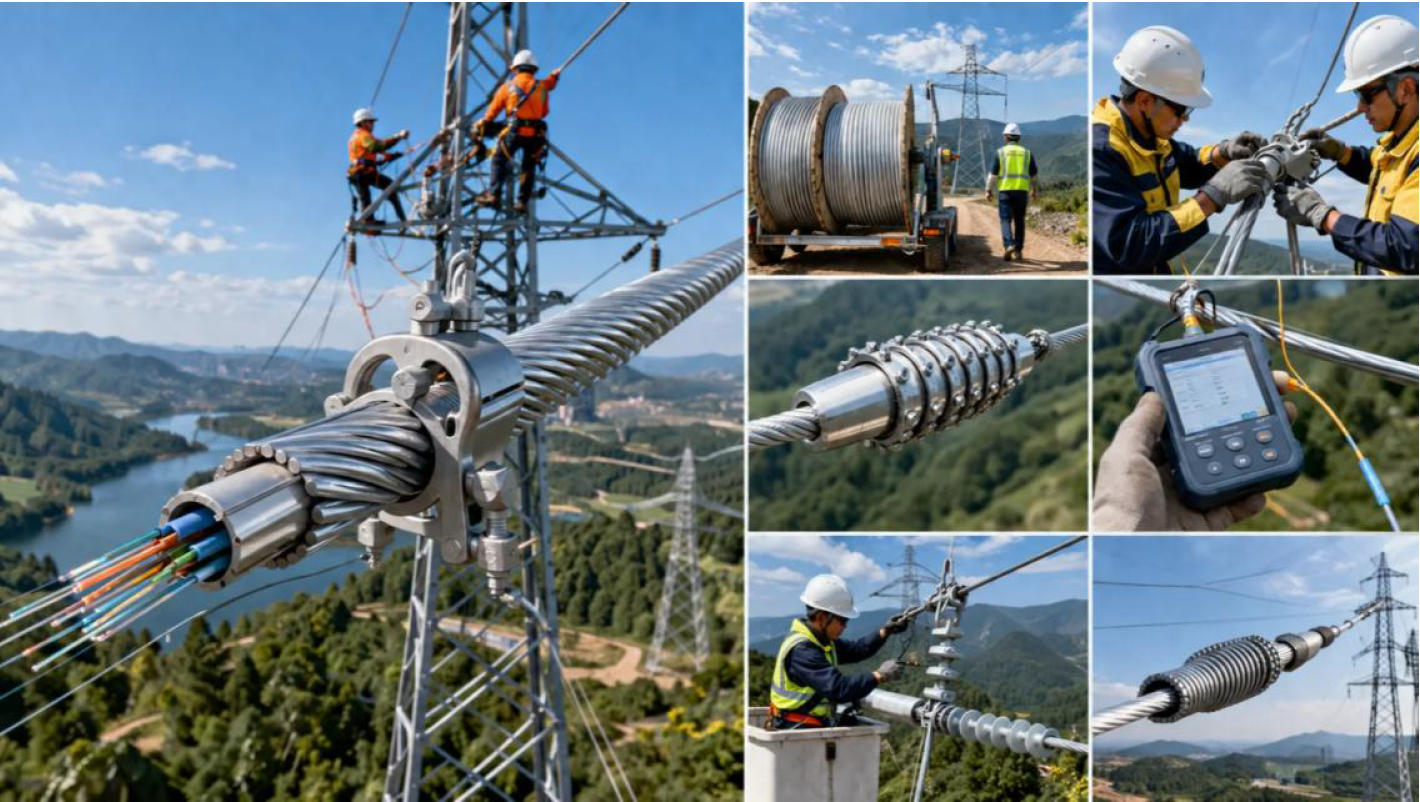
Optical Ground Wire Central Loose Tube (OPGW central loose tube type) is a specific construction of Optical Ground Wire cable, primarily chosen for projects where low weight and small diameter are more critical than maximum rated breaking strength and short-circuit current capacity. OPGW (Optical Ground Wire) is a dual-function cable used on high-voltage transmission lines that simultaneously serves as a lightning protection ground wire and a high-bandwidth communication medium. OPGW, called Optical ground wire, is a dual-functioning cable used in overhead power lines that combines the functions of ground wire and communications. It can transmit telecommunications signals over long distances and at high speeds. It also serves as a grounding wire for electric power systems. So, it can replace traditional static/shield/earth wires on overhead transmission lines with the added benefit of optical fibers. In addition, the OPGW cable is sheathed in a metal jacket. This metallic sheath also acts as a conductor and is ideal for power systems. OPGW conducts short-circuit current and shields the high-voltage conductors from lightning strikes. At the same time, it can provide a telecommunications path for internal and third-party communications. NEATEL has developed technical expertise in fiber optic cables and proven its capabilities in manufacture of energy efficient bare overhead power conductors. NEATEL has integrated these core strengths in its comprehensive OPGW solution that includes Optical Fiber Composite Ground Wire and related hardware.
Features and Applications
Keyed Characteristics
✔ Mechanical Strength: Defined by the Rated Tensile Strength (RTS) and Elastic Modulus. The cable must support its own weight and ice/wind loads without straining the optical fibers. Typical RTS values range from around 34kN for smaller cables to over 700 kN for large, high-capacity designs. The design also ensures the fibers have "excess length" so they remain strain-free under normal operating tension.
✔ Electrical Capability: The cable must safely conduct short-circuit currents (typically expressed in kA²s) caused by lightning strikes or grid faults without damaging the internal fibers. This capacity varies widely, from around 37 kA²s for small cables to over 2000kA²s for heavy-duty designs. The DC resistance is also a key parameter, usually measured in ohms per kilometer.
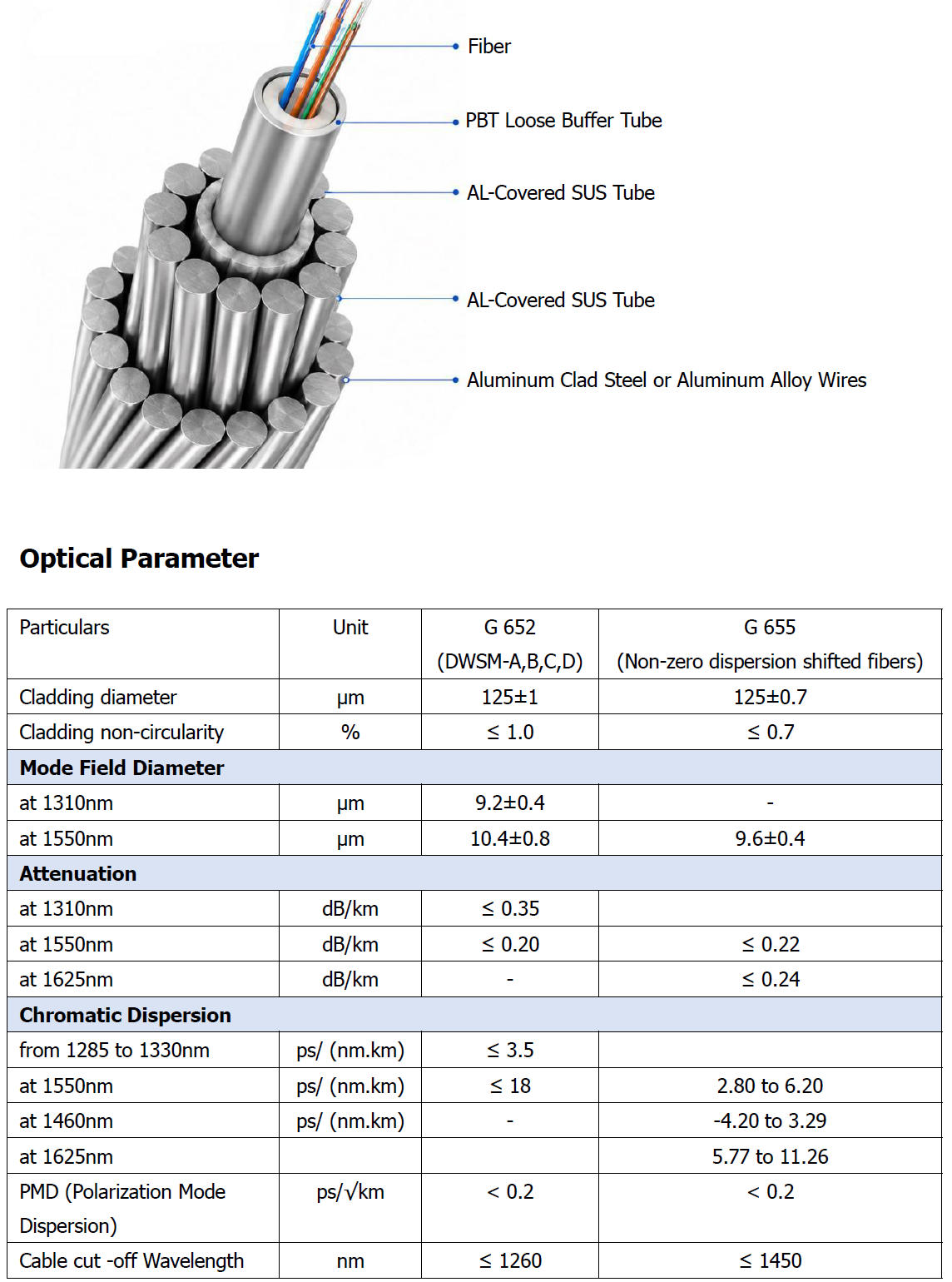
✔ Optical Performance: The primary function is reliable data transmission. Cable specifications define allowable attenuation (signal loss) for the fibers, typically measured at 1310nm and 1550nm wavelengths. The mechanical design ensures this attenuation remains stable even under installed tension.
Application
✔ Lightning Protection and Grounding;
✔ Internal Utility Communication;
✔ Telecom Backbone Leasing;
✔ Smart Grid and Digital Upgrades.

 No.1103, 52th Xiangshi Rd, Dingfeng Building, Liaobu Town, Dongguan City, China 523419